The People Who Are Closest To Window Glazier Uncover Big Secrets


How to Become a Window Glazier
Install, repair, and replace glass windows doors, partitions, walls, and skylights. You can enter this particular trade through an apprenticeship with a construction or Fenestration firm, or apply directly and receive on-site instruction.
Interpret blueprints in order to cut, assemble and fit glass into shop windows and shower doors, display cases and other commercial or residential structures. Also, make moldings and install them.
Skills
Glaziers install glass or glass substitutes into structures such as skylights, window frames, showers, baths, solariums and more. They interpret blueprints and interpret them to determine the size, shape and colour of the glass or glass substitute to be used. They also construct frames using metal and other components to support the glass material. Glaziers use a wide range of tools, including hand and power saws, grinders and drills. They typically work at high levels using cranes or hoists with suction cups.
Glaziers aren't just proficient in making and installing glass and constructing it, but also perform important maintenance and repairs on existing installations. They regularly inspect glass surfaces to find defects or problems that could cause harm to safety, functionality, or the aesthetic appeal of the structure. Glaziers replace or repair broken or damaged glasses in accordance with strict safety guidelines.
These jobs require a high level of physical strength and endurance, as well as a meticulous attention to details. Glaziers frequently stand for long periods of time or move heavy glass or glass substitutes so they must have a good balance and endurance to avoid injuries. They must be able to read and comprehend detailed instructions and operate machinery.
When glaziers prepare glass for installation, they carefully measure and cut the material to exact specifications, ensuring that each piece fits within its space. Glaziers also make additional components, such as mouldings and sashes and sealants that weatherproof, to improve the durability of their glass installations.
For larger construction projects, glaziers cut and frame glass in frames in a contractor's or factory shop prior to bringing it onto site for installation. They then fix the glass with clips or moldings, as well as other types of fasteners. They may also make use of specific equipment, such as tables with padding or jigs that keep the glass in place while aligning the glass with design templates, and placing it on the building's façade.
Glaziers should also be capable of applying sealants with precision. These are crucial to preventing air infiltration, water leaks and thermal insulation leakage and therefore they must be able follow the precise instructions for application. They should also be able to identify the right sealant for each task, since different sealants have varying characteristics that affect their performance and durability.
Experience
A glazier needs to be able to work on the job, often through an apprenticeship. Apprenticeship programs allow aspiring glaziers to work under the supervision of skilled professionals, and learn about glass and metal framing techniques and tools drawing and reading blueprints and general construction techniques and safety guidelines.
Glaziers work in a variety of environments, from residential buildings and office complexes to hospitals and schools. This diversity exposes them to an array of architectural styles and design elements, making the work exciting and varied. Glaziers also have the opportunity to work on custom projects, like restoring churches and historic buildings that require them to use their creative prowess and technical skills.
The job of a glazier is to install and repair skylights, curtains windows and doors. They must be able to cut, measure and install these materials correctly to meet the specifications of the project as well as client requirements. This includes fixing the glass using glazing compounds, caulking and fasteners. Glaziers can also replace or repair window frames and hardware when required.
Working as a glazier is physically demanding, with glaziers often working at great heights and spending the majority of their time outdoors in hot or cold weather. They should be able to apply up to 100 pounds of force and maintain a an excellent balance, particularly when working on ladders or scaffolding. They should be able to withstand the loud noises on construction sites.
Glaziers use a wide variety of different types of glass such as laminated, tempered, and bulletproof glass. These different kinds of glass have particular cutting, handling, and installation requirements. To be able choose the right material for their project, the glaziers should have a thorough understanding of the properties of each type of tempering glass.
The job of a glazier requires collaboration with other contractors and project managers to comprehend the specifications of the design and project requirements, and plan the installation process. Communication and teamwork are essential to ensure quality work and conformity with industry standards. Glaziers also have to maintain a safe and clean working environment by regularly removing broken glass, storing materials in a safe way, and creating designated areas for garbage removal.
Education
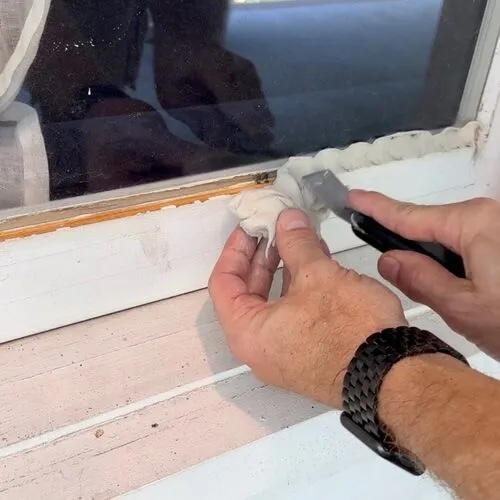
Glaziers install glass, repair and replace it in a wide variety of kinds of buildings. They play a significant role in enhancing natural light, energy efficiency, and security. They also aid in the overall design of a building and aesthetics.
To become a glazier you must have an high school diploma or equivalent and then complete an apprenticeship or traineeship. The training or apprenticeship typically lasts for four years and includes both on-the-job experience, as along with formal classroom instruction. The course covers all aspects of the trade, such as how to use equipment, tools and techniques to measure, cut and install various glass and metal framing products. It also covers the process of building glass doors and how to put them up. Basic welding certification is also provided. The curriculum includes academic skills like math, reading plans and construction techniques, as well as safety guidelines.
Apprentices who complete their course successfully are awarded a journeyman certificate that proves they have the knowledge and abilities required to work on their own in the field. This step is an important part of the training process and ensures that you're able to perform your job safely, effectively and in line with the industry standards.
Local unions, contractors' associations, and technical schools can provide you opportunities for a glazing apprenticeship. You can also enroll in a specialized glass fabrication program that will give you more in-depth knowledge in certain areas.
It's important to have good interpersonal and communication skills in order to be a successful glazier. You'll have to communicate with clients as well as other glaziers and employees on the job site. You'll have to explain technical aspects in a way that is simple to ensure that everyone knows what the task is. You'll also have to be able solve problems that could arise during the course of work.
Glaziers typically work with heavy machinery and must be able to lift and carry large pieces of glass. You'll need strong physical strength, stamina, and balance. Wearing protective gear is also a good idea when working with hard or sharp objects. Glaziers must be aware of their surroundings and be on the lookout for any dangers that could be present, like falling objects or debris.
Certifications
Glaziers are able to work in many different settings, including construction sites and houses. They need to be capable of safely navigating these environments and handle the weight of heavy materials. They should also be able to communicate effectively with the project managers and other workers.
Glaziers must be skilled because they are responsible for installing repairs, repairing, and replacing glass. To do this, they need to have exceptional manual dexterity, excellent eyesight, and a strong sense of balance and physical fitness. They shouldn't be afraid of heights, and they must be capable of working in small spaces.
Some glaziers are trained through formal apprenticeships in the contractor's association or trade union, or a vocational school. These programs combine on-the job training with classroom instruction, that focuses on techniques for glazing, safety procedures, and industry standards. In addition, some glaziers pursue certifications such as the Certified Glazing Installer (CGI) provided by the National Glass Association (NGA). Glazier and Glazing weston-super-mare Repair My Windows And Doors is for Glaziers with at least two years of experience. It concentrates on advanced glazing and project management.
Other glaziers can complete the AAMA Product Certification Program, which is a way to identify the products that meet strict performance requirements. They include resistance to water penetration and air infiltration structural loads, impact, as well as the durability of insulated glass seals. To receive this credential, the product must pass a rigorous independent test process. This includes a lab analysis and unannounced inspections at the manufacturing facility of the manufacturer.
AAMA certification is vital for Tampa Bay residents who are seeking windows that are able to stand up to extreme weather conditions, such as hurricanes and heatwaves. This certification assures that the glass meets the highest standards of performance.
You need to find an experienced glazier who has a proven track record of fixing and installing windows of the highest quality. The best method to locate a skilled and qualified Glazier is to partner with an established company with the appropriate insurance, license and certifications as required by your state's laws. Kensington Glass Arts is AAMA-certified to work in the majority of states. We are also ISO-certified, meaning that we adhere to exact international ISO standards.